
By Becky Guthrie
tw: sexual assault, trauma, PTSD,
rape, mental health, anorexia, bulimia
race
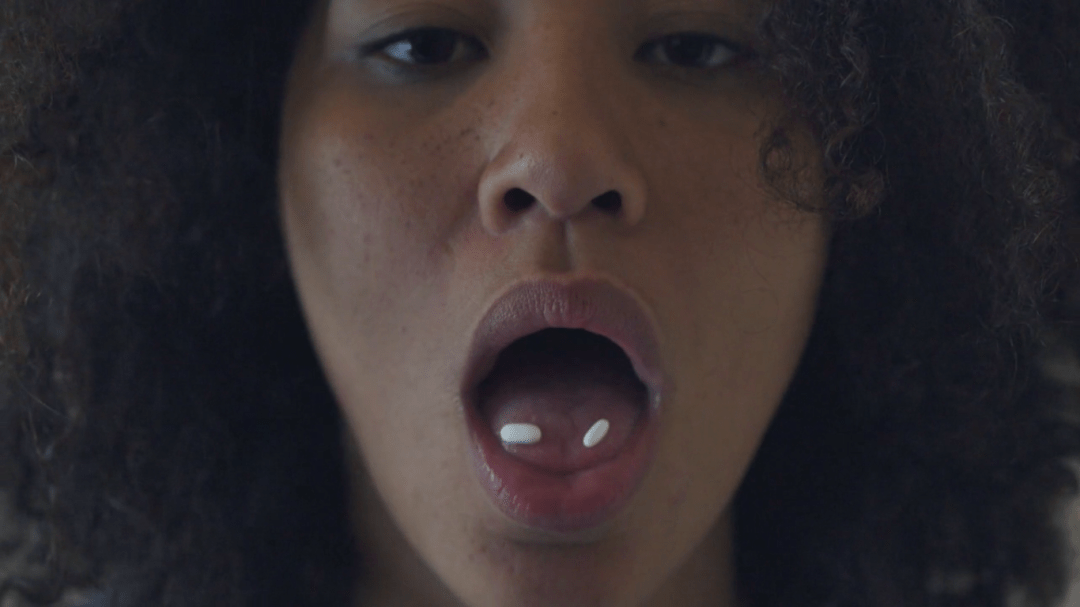
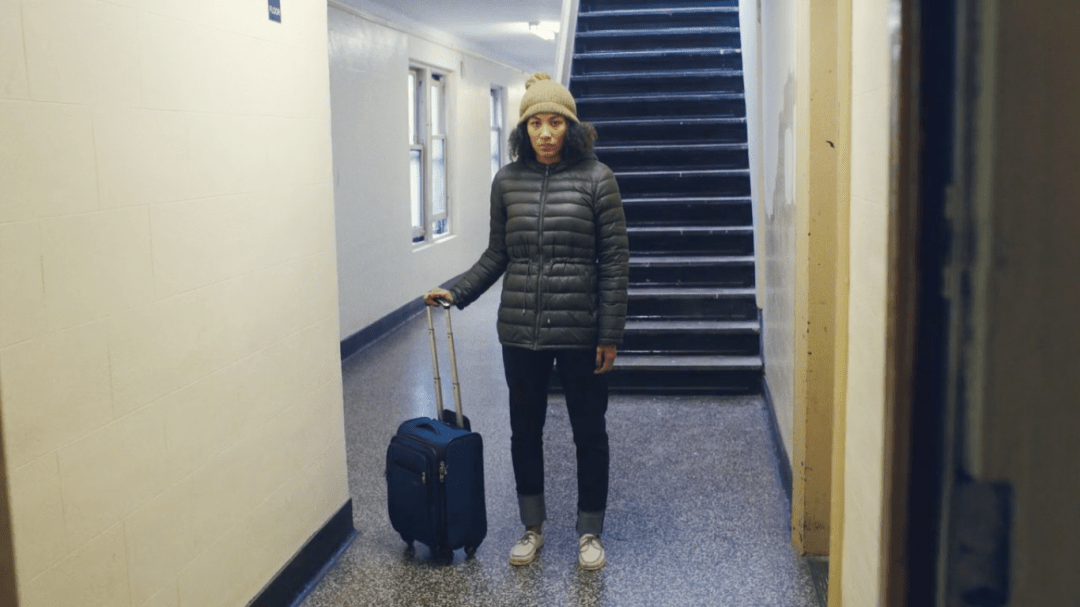
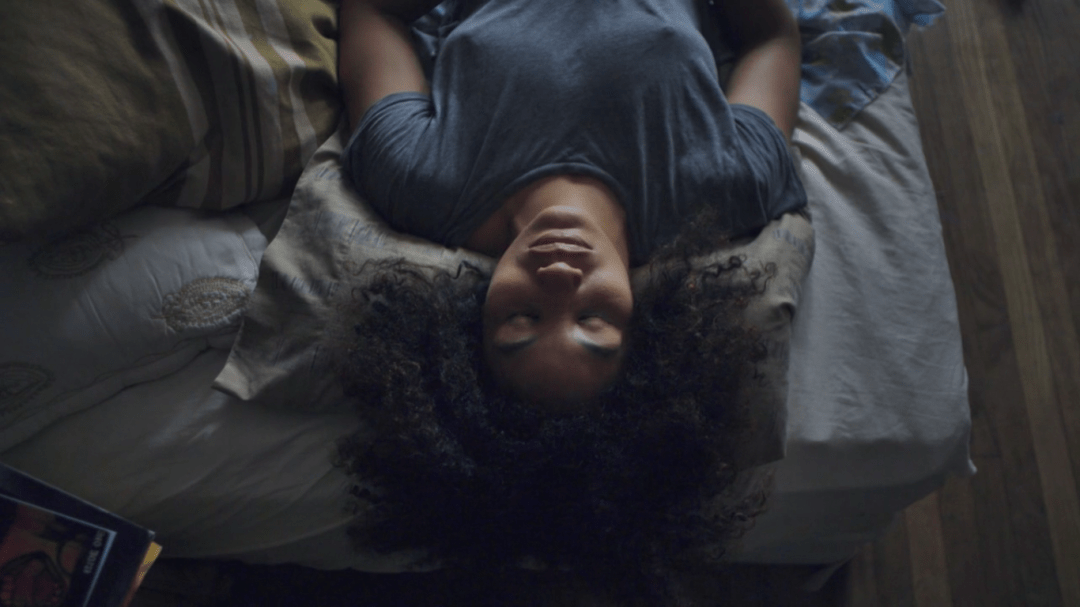
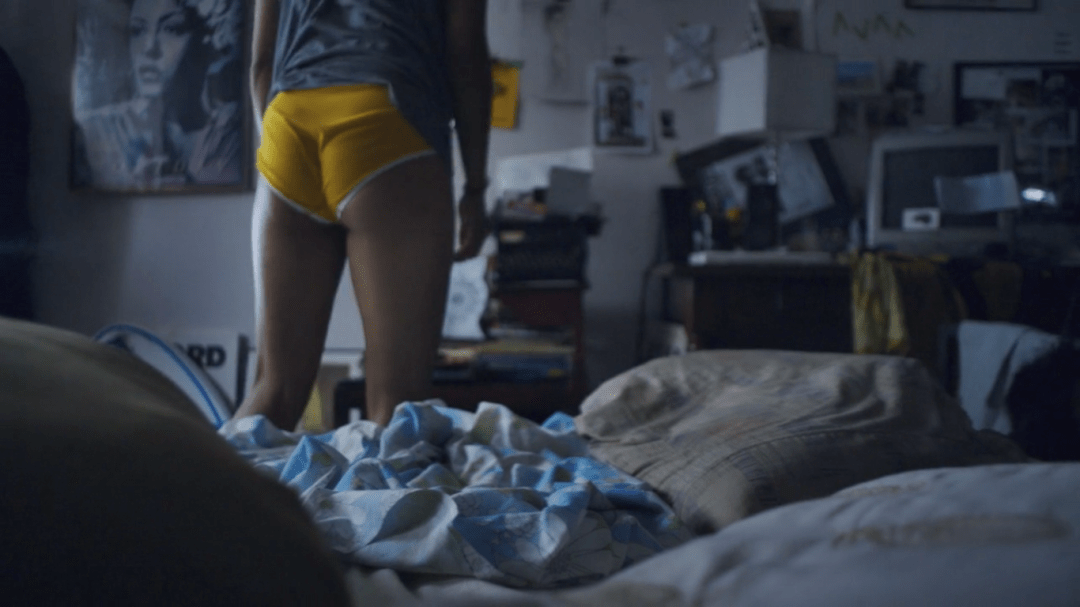
When I finally speak to Naima Ramos-Chapman, it is through a crackly Skype connection. She talks to me from the sidewalk outside a Brooklyn coffee shop, and throughout the interview we are interrupted several times by her acquaintances, the sounds of heavy machinery, and a stray panhandler. Ramos-Chapman through this was focused and eloquent, fresh from of showing her debut short film And Nothing Happened at the Slamdance and Blackstar film festivals. And Nothing Happened is a short film about a woman struggling to leave her apartment in the wake of a sexual assault felt timely in the wake of multiple sexual assault scandals in American colleges and the growing conversations about mental health happening online and offline at this moment in time. In this interview we chatted about film’s potential in portraying mental health and sexual assault, and the importance of having a diversity of voices to discuss these issues.
B: Tell me about your debut short film And Nothing Happened.
N: And Nothing Happened is autobiographical –it comes from my own mental health issues. I was sexually assaulted in D.C. a few years ago, and I was around 25. What I remember in the aftermath feeling very noticeably was this fissure –a sort of wound – that I wasn’t treating yet. I had to get my job, and go back home, and think about mental health in a way that I hadn’t before. Because even though with mental health, how everyone has it, I think trauma is an extreme wakeup call in terms of how it impacts you. PTSD is a real thing: it’s experienced by people who have to go to war but also by women who have to deal with normalised sexualised violence. It’s an issue very near to me because I also experienced it and had to deal with it firsthand. The film is essentially a very distilled and truncated idea of how it felt and the possible ramifications that come with experiencing a physical trauma but mostly focused on what happens after the act itself. I felt like a lot of films that dealt with sexual assault sort of focused in on bruises, and bleeding. That did not resonate with my experience as much as the emotional havoc did. Which was me playing out what happened onto other people, like a certain domination thing, or me not being able to be touched by people who normally I’d have no problem with, like family members or people close to me. So that was more of interest for me to examine but we don’t talk about it most of the time.
“PTSD is a real thing: it’s experienced by people who have to go to war but also by women who have to deal with normalised sexualised violence.”
B: You also play the main character in the film. Was it ever difficult to make this film from your personal experience as well acting it out and directing it? Did you have to navigate between the roles and also navigate between the experience it came from and the making of it?
N: In some ways, I think it was sort of a blessing in disguise because I had to do a lot to make the film happen, so I didn’t just focus on the acting. In some ways I was distracted from the eventual task until a few weeks before, and then I was like ‘Oh shit, I have to prepare for the role’, so in some ways I got in really deep before I had to emotionally check in about it. There’s this book by Daniel Goleman where he talks a lot about emotional intelligence and there’s a section about how when children go through trauma they tend to play out or re-enact what happened to them but in a more controlled setting. It’s their way of dealing with it and dealing with the narrative in a new way. So in actuality I think in some ways it was easier for me to deal with the trauma by actually examining what happened to me in a very controlled setting. It was very helpful, in some ways, very therapeutic and cathartic. I also did go to therapy beforehand so I was positively dealing with it and had the support systems in place to make it. It was definitely not easy, and it was uncomfortable, but all in all I think it was also very helpful.
B: That’s really interesting to hear. Do you think that with film you were able to say something you weren’t able to say with a different medium? Do you think that film has the potential to say things about sexual assault and mental health that other mediums can’t?
N: Definitely. Before I was making films I was writing, and I wrote a lot about similar issues, but I do feel like on some level art in general is so visceral and immediate that even if like politically you’re not on the same page –there are certain images that make you feel a certain way without having to directly, didactically tell you about it. I think film definitely does have the capacity in that you make it and can show it over and over again without having to actually [to expend the emotional effort]–for a short time in promoting the film I did do part of the monologue that’s in the film in front of people and that was way more emotionally challenging than doing it once for however long the film runs for and showing that, so it has a longer shelf-life than performing does. And people kind of get it, you see a picture, you feel something, you don’t have to be Republican, or Democrat, or, you know –it’s political without being political.
“Silence is a weapon that you don’t even realise is being used against you, to revictimise you.”
B: In the same vein, why do you think it’s important for to portray mental health onscreen as a woman, and as woman of colour as well? Why do you think that that’s important now that we have filmmakers who are talking about their own experiences, about sexual assault and mental health and issues like that?
N: I think in many instances within my community mental health, as a woman of colour, isn’t talked about with much regularity -behind doors or in the mainstream media. We saw that with anorexia or bulimia, or other mental health issues that get painted as something that only white people have. I think just having a diversity of people talking about something that’s very universal is a real reason for it, in order to encourage people that it’s not only one group’s issue or problem, or that resources are only available to people with money, or people with access, as that tends to also be the case.
Mental health is also expensive, so it’s sort of seen as a luxury instead of something that should be subsidised by the government. I think it is important to show a face that looks like other people who are not so comfortable talking about it. In terms of trauma and mental health there’s a stigma attached to it, in much the same way that if you’re raped, you’re kind of blamed for it. The way that rape culture is allowed to persist is through people feeling so ashamed to talk about it in the same way as they’re ashamed to talk about mental health. Silence is a weapon that you don’t even realise is being used against you, to revictimise you. Often you’re trapped in your own cycle and talking to yourself about this thing that you feel like only affects you and the more you talk about it the more you realise how much it impacts everyone. So many people have mental health issues, and [talking about it] can be preventative, if there’s less shame about it, I think you’ll have more people talking about and demanding that services be made available and accessible for all communities.

“It’s often white men or people with privilege who talk about things they have not directly experienced. Objectively and abstractly that’s fine, but not if it’s the loudest voice in the room.”
B: It’s really important that we hear stories from the survivor’s point of view, especially if the survivor comes from a community that doesn’t represent a kind of white norm.
N: I think another reason why it’s important is –not even necessarily for a woman of colour to talk about mental health –but for someone who has experienced it [to talk about it]. I think like you said, it’s often white men or people with privilege who talk about things they have not directly experienced. Objectively and abstractly that’s fine, but not if it’s the loudest voice in the room. I’m never going to say that “this is not a good film because it’s made by this type of person”, but it’s more like “I’ve seen that many times before and how many times can I watch a woman get brutalised, or she’s crazy and it’s filmed by a man who’s somehow eroticising that experience, or thinks it’s hot, in a weird way”. So it’s like, how do we empower people and support people who are directly linked to these experiences, because they’re totally capable of making films about their experiences –they just need the tools and the resources. I think that’s another reason why it’s super important is not only to give voice to something that’s happening, but as a way to directly be an activist for the very thing that changed your life.
B: I wanted to ask if you had any recommendations for other films that you feel are important in terms of talking about mental health or sexual assault, or just like films that you feel have voices that need to be heard?
N: I saw a really great film called Paralysis, also by a female director. She showed her film at Blackstar film festival, and there’s also an article in nofilmschool.com about it too. It’s a horror-thriller and it’s about this woman who is simultaneously being haunted by something and is dealing with a mental health issue. It’s about those two things co-existing but also maybe being the same thing. I thought that one was pretty cool and pretty interesting. You can need help in multiple different ways.
B: Are you getting up to speed on something else at the moment? Are you looking to the future and planning new projects right now?
N: Yeah, I’m working on some more films that I think are in the same realm but aren’t about the same thing. One is short film which is a stalker revenge film, [which is going to be] surrealistic and about the everyday violence of being stalked by someone, and how that is. It’s about a woman who realises that she has a superpower but doesn’t know whether or not to use it against someone who is stalking her. The other film is in development, it’s a feature film that’s about a multitude of scams that happen as a young woman –essentially about how this woman gets conned into doing things that are not considered illegal by the person who perpetrates them on her. It’s a con artist who takes advantage of her, but it parallels different ways that the art world and school and family and certain facets and institution of Western culture also exploit her.
📘
Watch this space with Naima –she’s sure to be doing big things in the future. You can find her website at www.naimaramoschapman.com, and watch the trailer for And Nothing Happened before its online release this year, as well as snippets of her other work at www.vimeo.com/naimaramoschapman
And Nothing Happened | Trailer | 2016 Premiere from Naima Ramos-Chapman on Vimeo.
 Blueprint