

Anonymous
Cambridge
CN: Depression, hypomania,
alcohol
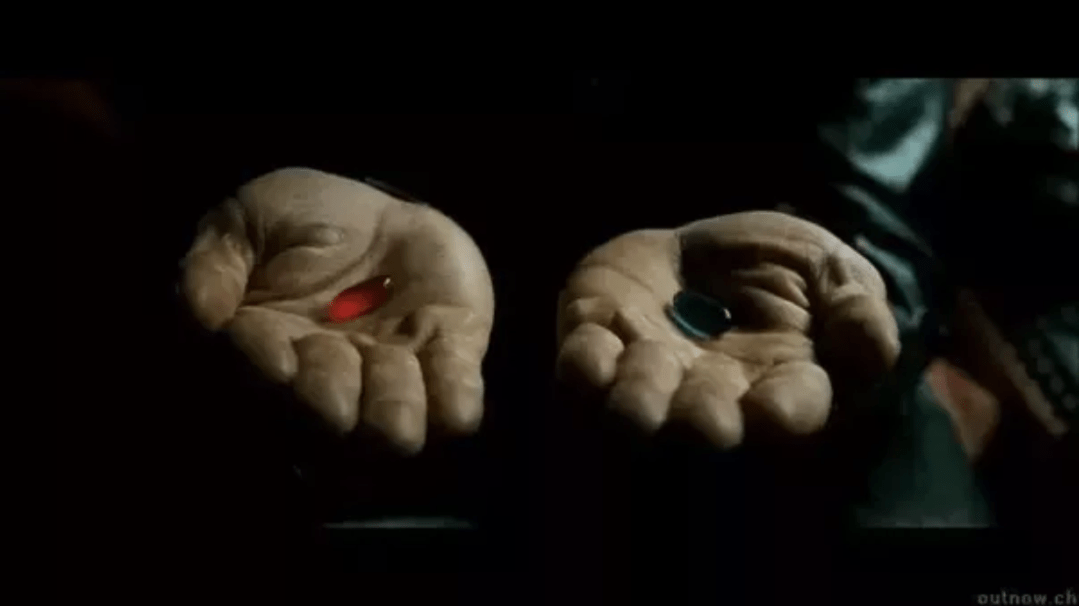
In his talk in Cambridge (where I’m a student) last term, Stephen Fry mooted a question many bipolar people ask themselves: if you could take a pill that would mean you never felt the crushing depression of the lows again, but you’d also never feel the elation, endless potential and inspiration that comes with the highs, would you take it?
Most people he asked responded no.
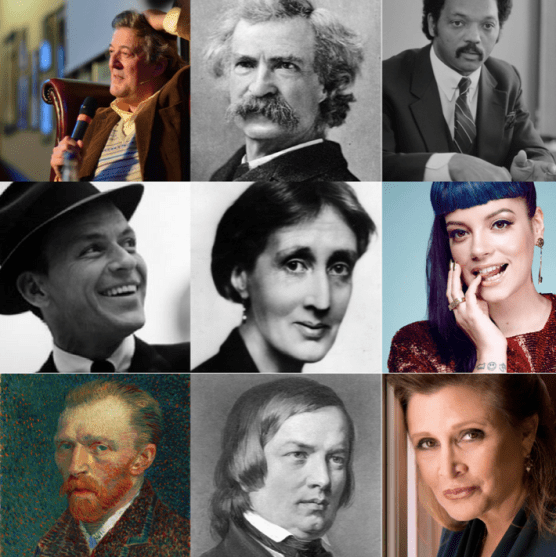
That’s the thing about bipolarity, it has an ability to be so destructive; yet it allowed some of the most creative minds in history to flourish. From Fry to Jesse Jackson, Sinatra, van Gogh, Woolf, Twain and Schumann, the clientele of bipolar disorder demonstrate its ability to inspire and impel as well as to sap and to bleed.
While I may share these great minds’ condition, your author is (just about) sufficiently grounded not to be so self-deluded as to count himself amongst them in eminence. However I have felt the same sense of endless possibility that comes with what for me are particularly brief periods of what psychiatrists call hypomania; it’s an addictive feeling that makes it entirely fathomable why many would be reluctant to forfeit it.
Just a week ago, I was in the pub during such a period when, noticing my sudden transformation into making unusually original jokes and vaguely insightful political comments, my friend remarked, “you really are in quite a good mood, aren’t you?” I didn’t wish to alarm him by saying that I had earlier been charging around Cambridge listening to extremely loud music experiencing the beauty of the city in what would probably be described in Curry’s marketing as ‘beyond HD’, my thoughts assailing me at a thousand miles an hour.
Yet just a few days later, I found myself dragging myself, hood up to hide the fact I’d spent several hours in a sobbing heap, to the college Mental Health Advisor having had what could only be described as a breakdown.
“Why?” I asked myself.
The only answer is that there is no answer. That is the most infuriating thing about many mental health conditions: they’re often irrational. I can look back and identify triggers, but I can’t explain why when on one day I could shake off that scathing comment from my supervisor, that failed attempt at drunkenly getting with a crush or that minor spat with a friend, and on another would precede six months of misery. The answer doesn’t lie with the triggers, which are just a quotidian reality for everyone, it lies with the fact that I have a condition that follows no particular logic.
“Noticing my transformation into making unusually original jokes and vaguely insightful political comments, my friend remarked, ‘you really are in quite a good mood, aren’t you?'”
So this morning, once I’d ran out of tears, stopped breathing like a 40-a-day smoker and finished dry heaving into the loo, I asked myself the question Stephen Fry asked dozens of bipolar people on his travels: would I rather have it another way?
The answer, for me, is yes.
Maybe that’s because my periods of hypomania are very much in the hypo- category and rarely last more than a few hours, which isn’t really time to write a symphony, win a Nobel Prize or solve the war in Syria in any case. Maybe it’s because the dark periods tend to be an exercise in ‘how to lose friends and alienate people’, each one resulting in the loss of another friend who had enough of spending time with a rather poor (and generally dull and grouchy) imitation of a human being. Maybe it’s because for the past eight years, I’ve put my family and friends through seeing me go from a flawed and yet apparently likeable person to one striving to hide emotional scars under layers of metaphorical armour and, at points, physical ones under layers of more literal clothes.
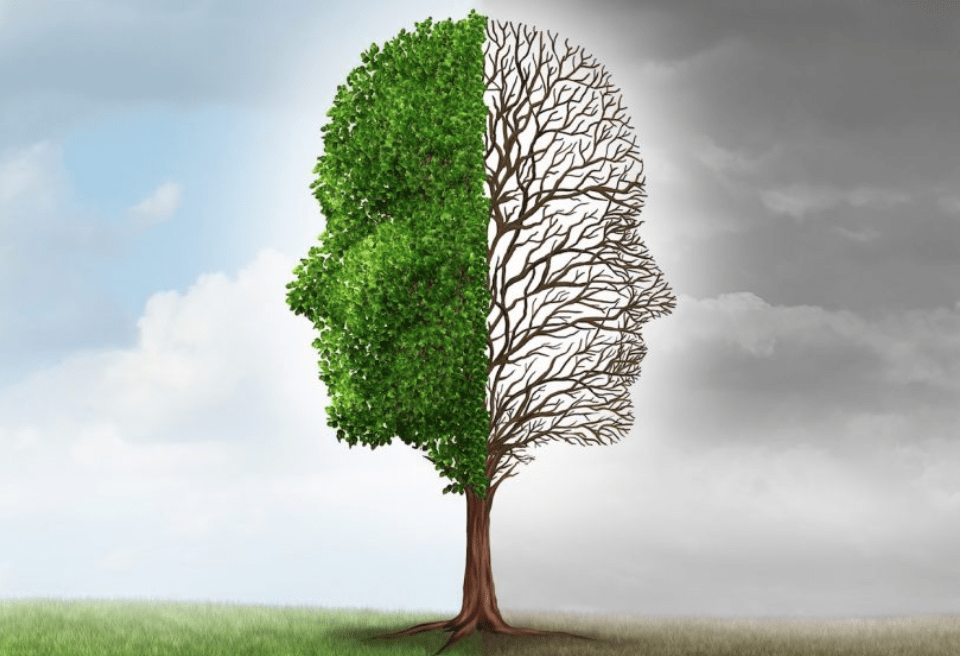
The strongest reason, the one that causes me to end up as a wreck whenever the despondency that Churchill called his ‘black dog’ returns, is that for me, happiness is always temporary. I don’t know which day will be the one when I have to re-don my person-suit, and which will be the one when I can take it off. The Mental Health Advisor has asked me twice now if I wanted to intermit, and I could only answer “what’s the point, I could be fine by Christmas and a wreck next October?”
Bipolarity is isolating because it’s so uncertain. That’s why I’d choose the blue pill any day.
 Blueprint
Great post and you make great points! My answer would have been a resounding “Yes!” I’ve been creative and written poetry, and even (delusionally) thought I was a genius in my full blown manic phase, but I would give up any and all creativity to have a normal, happy, peaceful life with my husband and my son.
LikeLike