
By Joshua Zitser
Edinburgh
When it comes to the reduction of stigma which surrounds discussing men’s mental health, there’s a lot to feel positive about. Prince Harry and Prince William’s calls for men to stop suffering in silence, Stormzy speaking out about his depression and the multitude of fuzzy-lipped men supporting Movember are all positive changes to celebrate.
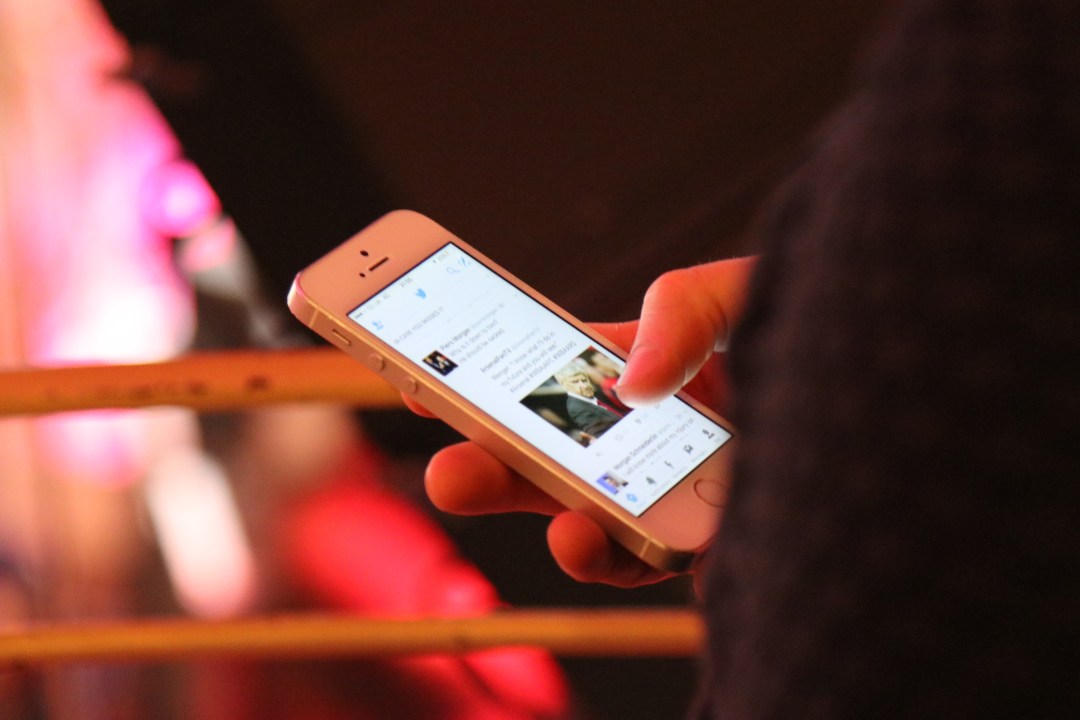
Alongside the greater presence of likeable role models and successful charitable campaigns, social media has been an effective forum to raise awareness about the silent epidemic of mental illness amongst men. I frequently see men calling on their followers to “not suffer in silence”, to “speak out and break the stigma” and to “change the conversation”.

From my own experience, whenever I’ve posted statistics and articles about men’s mental illness, I’ve received numerous retweets, words of support and praise. However, I’ve also received disparaging comments and a handful of messages advising me to take down my tweets.
On the rare occasions that I’ve tweeted out often quite raw and honest tweets about my own depression or anxiety, the responses I expected to receive were substantially different to the reality. I’d assumed that following an outpour of pious declarations of support, the response would be a reassuring mix of words of wisdom, private messages and, most importantly, other men sharing their own stories.
“Efforts such as these to muffle honest and unfiltered discussion of mental illness assume that mental illness is bad, embarrassing or improper”
Instead, to my dismay, I tend to receive a handful of disparaging “u ok hun” replies, the occasional trivialising GIF or, most frustratingly, messages telling me to delete my tweets.
There seems to be this odd hypocrisy on social media whereby people are willing to show their support for some sort of abstract, vague notion of ‘destigmatisation’ but, with regards to their actions, actually work against what they profess to stand for.
Twitter, it seems, is rife with virtue-signalling but, unfortunately, is lacking in actual virtue.

Many men, on the one hand, oh-so-nobly call for more open and honest discussion but, on the other hand, belittle attempts to start discussion and even fundamentally attempt to delegitimise Twitter as a forum to have the discussion in the first place.
Often, these actions are hidden beneath seemingly genuine displays of concern. “What if an employer sees this?” is a common response to any tweet that seems to show signs of weakness. “Hey mate, sorry you’re not doing well, let’s talk – but maybe Twitter isn’t the right place for those sort of tweets” is another message that carries the same sort of underlying assumption.
“When it comes to the reduction of stigma which surrounds discussing men’s mental health, there’s a lot to feel positive about.”
Efforts such as these to muffle honest and unfiltered discussion of mental illness assume that mental illness is bad, embarrassing or improper. No matter how well-intended these efforts appear, they only play into upholding the taboo. These assumptions might even be subconscious and unbeknown to the person tweeting them but, even so, a lack of awareness only serves to uphold archaic stereotypes of propriety on social media. Yes, reading tweets about mental health might be uncomfortable and seem out of place but, it is worth remembering, that suffering in silence is a far more intolerable experience.
In order to foster an environment which truly encourages men to speak out and be heard, it is important to address this prevalent hypocrisy. We need to enable men (and women too) to speak about their struggles with mental health just as easily as they can about a sore throat or a broken bone.
To actually challenge the stigma, empty words are not enough and the online sharing of our feelings, no matter how honest, detailed or sensitive they might be, need to be actively and consistently encouraged. There can be no more buttressing of the barriers to destigmatisation that so many profess to want to break down.
 Blueprint